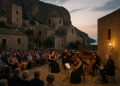

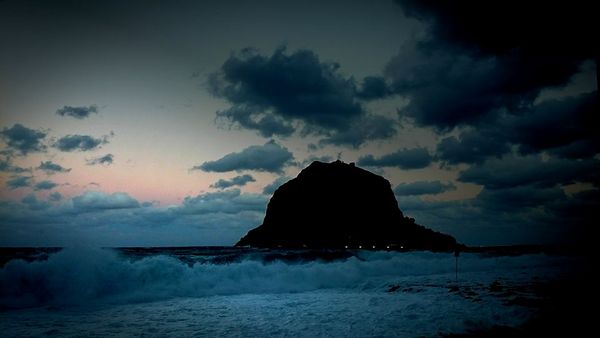
The recent completion of the lighting project for the iconic rock of Monemvasia has sparked a significant debate regarding the implications of artificial illumination on natural formations. This initiative, alongside funding for architectural lighting in Leonidio, raises a critical question: Is the artificial lighting of geological monuments a genuine development project or a detrimental human intervention?
The scientific community has expressed skepticism about the trend of transforming geological landmarks into nighttime spectacles, highlighting serious repercussions of this practice:
- Light Pollution and Ecosystem Disruption: Artificial light at night severely disrupts the biodiversity associated with these rocks.
- Alteration of Landscape: The natural nighttime silhouette of the rocks is lost. The imposition of artificial light eradicates the natural darkness, which is also a protected asset.
- Lack of Legal Framework: Organizations such as the International Dark-Sky Association point out that Greece lacks established regulations against light pollution, leaving such projects subject to the subjective judgment of planners.
For local governments, illuminating a rock is often seen as an easy badge of supposed tourism enhancement. It is presented as an aesthetic intervention that will boost the recognition of a place, even as the area itself lacks essential daily organization and structured governance that could improve and strengthen community sectors over time.
In Monemvasia, the project has divided the local community, with many criticizing it as an aesthetic excess that distorts the authentic, mystical character of the fortress town. Others argue that the lighting is only partial, failing to fully showcase the grandeur of one of the country’s most significant monuments.
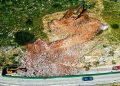
Despite the backlash, a similar approach is now being applied in Leonidio. The imposing red rock, a global attraction for climbers due to its wild, untouched beauty, risks losing its charm and becoming yet another illuminated backdrop.
As citizens, we must ponder: Do we truly need more artificial light, or should we focus on protecting what nature has bestowed upon us? Sustainable development does not arise from attempts to «fix» the environment with floodlights. Perhaps the most meaningful act of care for our land is to turn off the lights and allow the rocks to remain undisturbed.