
A recent signing of a Programmatic Agreement valued at €150,000 between the Peloponnese Region, the Municipality of Xylokastro-Evrotas, and a Development Organization marks a significant step forward in addressing coastal erosion in the Municipal Communities of the Gulf of Corinth. As Regional Governor Dimitris Ptochos stated, the protection of coastal areas necessitates a strategy, collaboration, and financial tools aimed at maturing studies.
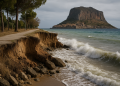
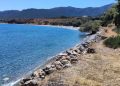
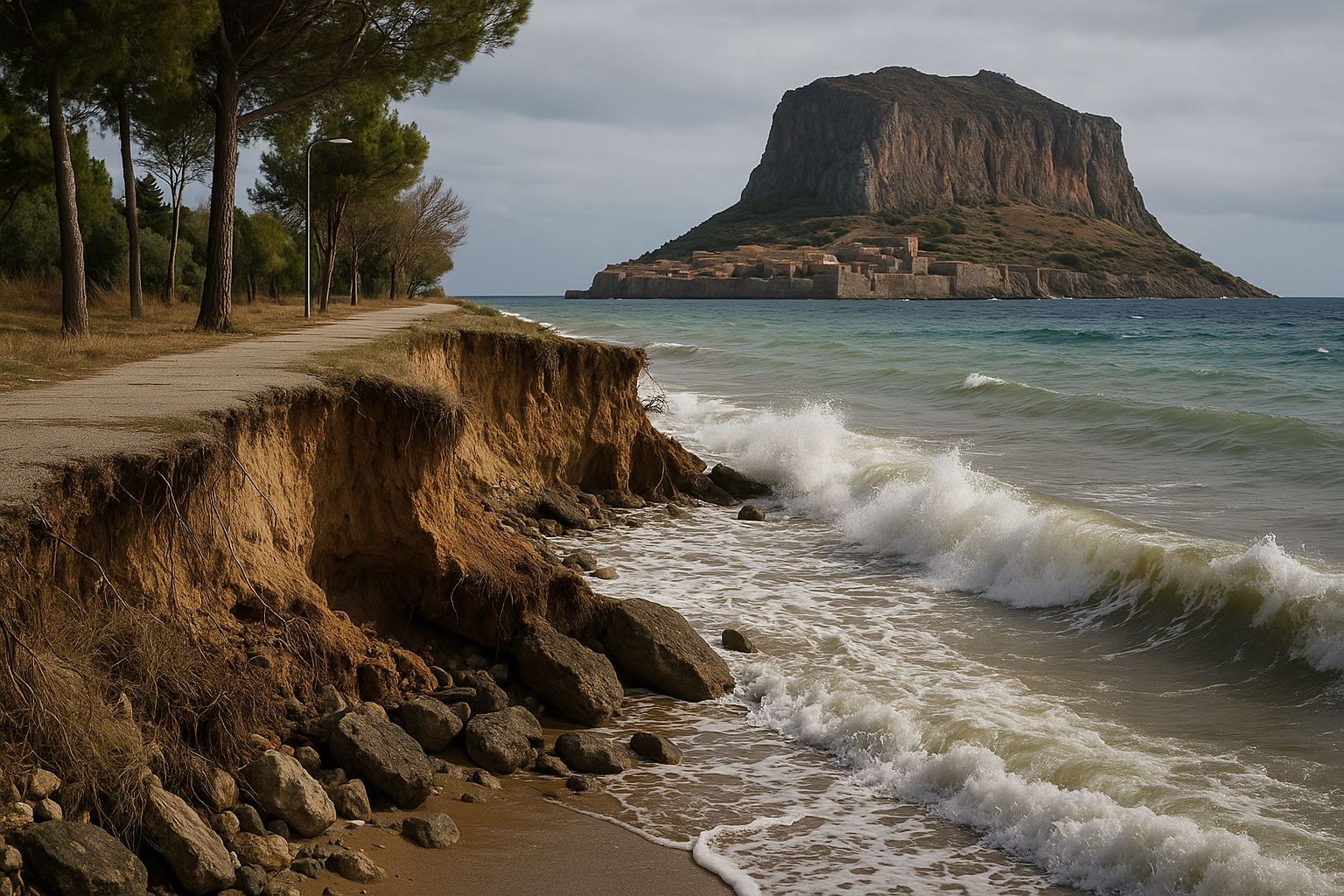
This development brings into sharp focus the ongoing challenges faced by the Municipal Authority of Monemvasia, which similarly grapples with severe and persistent erosion problems in critical areas. Notably affected regions include the renowned Xifias beach, the coastal front of Neapolis, and Poros beach. However, rather than actively engaging in solutions, the Municipality of Monemvasia appears to be a bystander in these developments.
While neighboring municipalities are taking proactive steps by collaborating with the Region and securing funding for scientifically grounded documentation of their coastal zones, Monemvasia seems to lack the necessary responsiveness. The absence of similar programmatic agreements undermines the essential regulatory readiness needed for its at-risk beaches, resulting in lost opportunities for crucial European and national funding programs.
The example of Xylokastro demonstrates that solutions are indeed attainable when there is political will, organization, and timely planning. As local authorities continue to set a precedent for addressing environmental challenges, the imperative for Monemvasia to act decisively grows stronger.
In a world where coastal erosion poses a significant threat to both ecosystems and communities, the need for comprehensive strategies that ensure the vitality and sustainability of these regions cannot be overstated. The actions—or inactions—of local governments in such matters will play a pivotal role in safeguarding precious coastal resources for future generations.