
In the picturesque region of Monemvasia, a remarkable story of faith and resilience unfolds, centered around Saint John, a figure whose legacy continues to inspire many. Born in 1758 in the village of Gouvia, John was the son of a priest, who instilled in him the values of Christianity from a young age. His upbringing was steeped in the traditions of the Orthodox Church, and he was known for his dedication to his father’s ecclesiastical duties, embodying the role of a model child for his peers.
The tranquility of his early life was shattered in 1770 when the forces of the Albanian leader Haji Osman invaded Gouvia. This brutal incursion resulted in the death of John’s father and the capture of both John and his mother, who were subsequently sold into slavery in Larissa. After enduring the hardships of captivity, they were purchased by a Turkish landowner who, recognizing John’s intelligence and industriousness, sought to adopt him as his own.
However, this new life came with its own challenges. The Turkish owner, alongside his wife, attempted to convert John to Islam through various means, including flattery and intimidation. Despite their relentless efforts, John remained steadfast in his Christian faith, refusing to abandon the beliefs instilled in him by his family.
As the days passed, the pressure intensified. One fateful day, John’s master, frustrated by his unwavering resolve, took him to the courtyard of a mosque, where a crowd gathered to witness the attempts to force John to renounce his faith. His response was resolute: «I will not become a Turk. I am a Christian, and I wish to die as a Christian.» This declaration of faith was met with further aggression from the crowd, yet John remained unyielding.
The situation escalated during the fasting period of the Dormition of the Virgin Mary in August. John’s master, realizing that John refused to break his fast, confined him to a stable for the duration of the fasting period. Despite enduring severe torture and starvation, John remained committed to his beliefs, praying fervently for strength to resist temptation.
In a poignant moment, John’s mother, witnessing her son’s suffering, urged him to eat for the sake of survival. Yet, John’s response was one of profound faith, drawing parallels to the biblical figure Abraham, who was willing to sacrifice his son for God. He emphasized the importance of upholding the laws and traditions of the Church, even in the face of death.
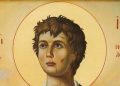
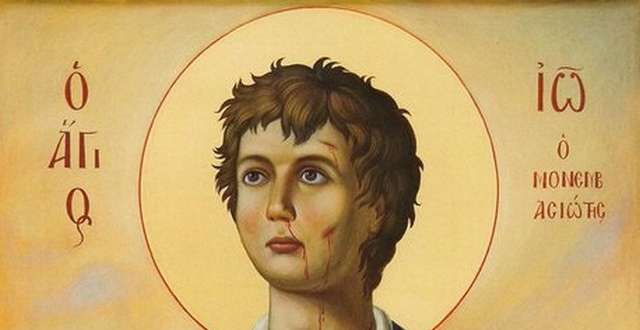
Ultimately, on October 19, 1773, after enduring relentless torment, John was fatally wounded by his master. He succumbed to his injuries two days later, having embraced martyrdom for his unwavering faith. The Church commemorates his memory on October 21, honoring his legacy as a symbol of courage and devotion.
As we reflect on the life of Saint John, we are reminded of the enduring power of faith in the face of adversity. His story serves as a testament to the strength of the human spirit and the profound impact of unwavering belief. In a world that often challenges our convictions, the legacy of Saint John continues to resonate, inspiring generations to stand firm in their beliefs.